High voltage motors play an important role in industrial operations where equipment requires substantial electrical power and dependable mechanical output. They can be found in pumping systems, compressors, fans, conveyors, crushers and many other heavy-duty applications. Industries such as mining, manufacturing, energy, cement, water treatment and chemical processing often depend on these motors to keep essential machinery running.
The production of a high voltage motor is a detailed engineering process. Unlike a simple electrical device, a large motor contains numerous components that must work together accurately. The stator, rotor, windings, insulation system, shaft, bearings, cooling arrangements and housing all contribute to the final performance of the machine. Manufacturing errors can affect efficiency, vibration, temperature and reliability, which is why production needs to be carefully controlled from the earliest stages.
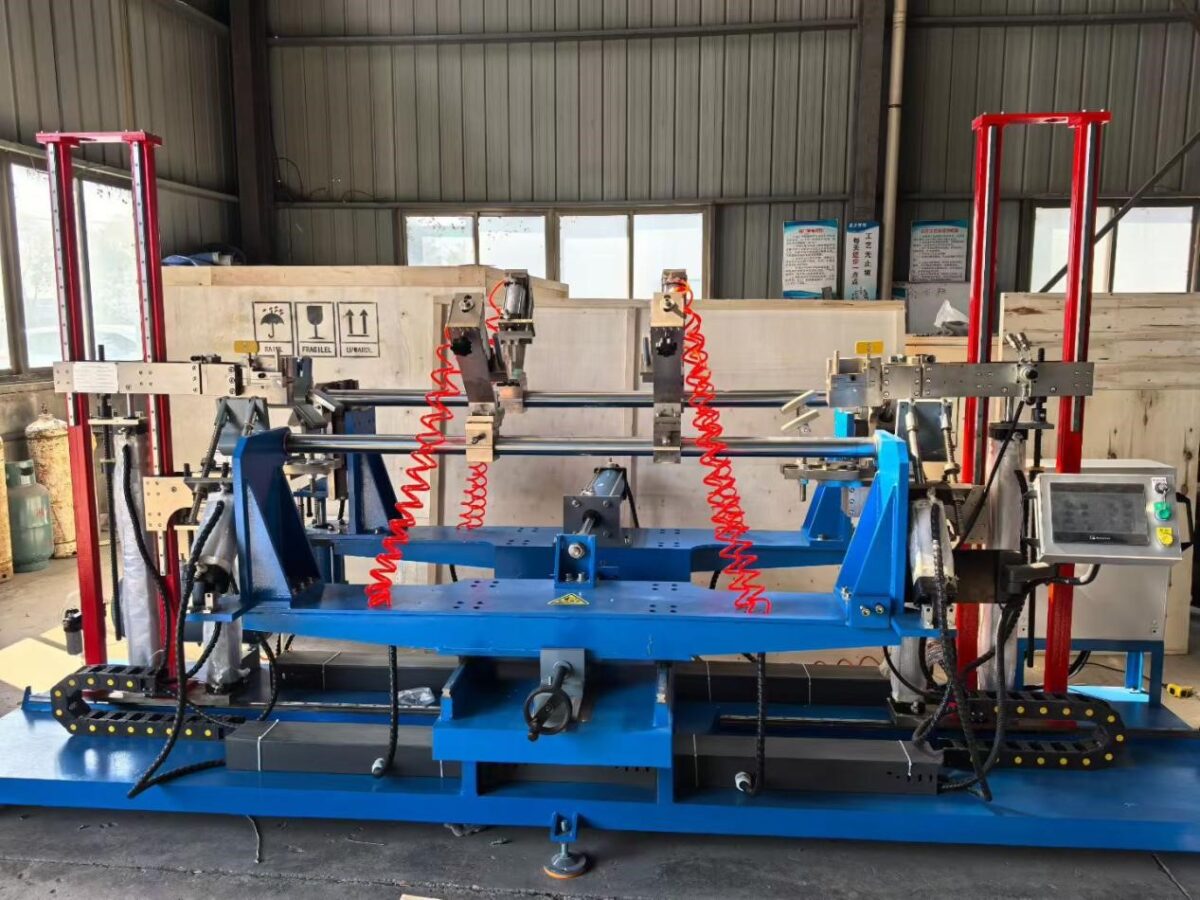
Modern manufacturing equipment provides manufacturers with practical ways to improve repeatability and process control. A high voltage motor manufacturing machine can be designed for a particular operation, such as winding, coil forming, insulation processing, core assembly or balancing. When these machines are combined with experienced workers and appropriate inspection procedures, they can help create a more consistent manufacturing environment.
From Raw Materials to a Finished Motor
The manufacturing process begins with materials and individual components. Electrical steel is used for the stator and rotor cores, while conductors, insulation materials and mechanical components are selected according to the motor’s specifications. The quality and suitability of these materials are important because the finished motor must operate within defined electrical and mechanical conditions.
The stator core is assembled from thin laminated sheets. These laminations are arranged to form the magnetic circuit of the motor. Their position and assembly need to be controlled carefully so that the finished core meets the required dimensions. Specialised handling and assembly equipment can help manufacturers maintain consistency during this stage.
The winding system is another major part of production. Conductors are formed into coils according to the electrical design and subsequently positioned within the stator. The shape, dimensions and placement of these coils need to be controlled because they affect both the electrical characteristics of the motor and the available space inside the stator.
High voltage windings also require a suitable insulation system. The insulation must be applied according to the requirements of the motor design and the materials being used. Processes such as taping, wrapping, pressing and curing may require controlled conditions. Specialised machinery can help operators maintain consistent pressure, movement and other process parameters.
The rotor is manufactured separately and later assembled with the stator. Its shaft and other rotating components need accurate dimensions. Once assembled, the rotor can undergo balancing to identify uneven mass distribution. Proper balancing is important because an unbalanced rotating assembly can produce unnecessary vibration.
Why Manufacturing Machines Are Becoming More Important
Large electric motors contain components that can be difficult and time-consuming to manufacture entirely by hand. Repetitive operations may also produce small variations between individual components. Manufacturing machinery can reduce some of this variation by controlling the movement and parameters of a process.
For example, winding equipment can regulate conductor tension and winding movement according to the required production settings. This allows multiple coils to be produced using a consistent process. Operators can still inspect the coils and make adjustments where necessary, but they do not need to manually control every movement.
Coil forming equipment provides similar benefits. Once a coil has been produced, it may need to be shaped into a specific configuration before being installed. Controlled forming can help achieve consistent dimensions and reduce unnecessary fitting work during assembly.
Machining equipment is also important for mechanical components. Computer-controlled systems can produce shafts and other parts according to programmed dimensions. Consistent machining can make assembly more straightforward, although finished components still need to be inspected to confirm that they meet the required tolerances.
Balancing machines provide a more specialised function. They measure the behaviour of a rotating assembly and help technicians determine whether correction is required. This is particularly useful for large rotors where even small differences in mass distribution can affect operating behaviour.
Automation Can Support Quality as Well as Productivity
Automation is often associated with faster production, but its value in motor manufacturing can also come from consistency. A machine that performs a repetitive task using controlled parameters can reduce variation between production cycles.
This can be especially useful when manufacturers produce several motors based on the same design. Repeated processes can be standardised, making it easier for quality teams to compare results and identify deviations.
However, automated machinery still requires proper supervision. Equipment needs to be calibrated and maintained, and operators need to confirm that the correct settings are being used. Tool wear, material differences or mechanical problems can influence results even when the machine programme has not changed.
Human experience therefore remains an important part of automated production. Engineers establish suitable processes, technicians monitor machines and quality specialists inspect components. When an unexpected result occurs, trained employees can investigate the cause and decide what action is appropriate.
The role of machinery is to support this work by making controlled production easier, rather than removing the need for technical knowledge.
Testing Is an Essential Part of Production
A motor cannot be considered ready simply because all its components have been assembled. Manufacturers need to carry out inspections and tests appropriate to the product’s specifications.
Electrical testing can involve winding resistance measurements, insulation resistance checks and other procedures. High voltage testing may also be performed where required to assess the condition of the insulation system. The exact testing programme depends on the design and applicable requirements.
Mechanical checks are equally important. Technicians may inspect shaft dimensions, rotor balance, alignment, bearings and other components. During operational testing, vibration and temperature can be monitored to identify unusual behaviour.
Performance tests can provide additional information about how the motor responds under controlled conditions. Current, speed, temperature rise and vibration are among the characteristics that may be measured depending on the motor and its intended application.
Testing also contributes to process improvement. If a recurring defect is discovered, manufacturers can examine earlier production stages to identify its source. The issue may be related to material handling, winding, machining, insulation, assembly or equipment settings. Addressing the underlying cause can be more useful than simply correcting individual finished motors.
Selecting the Right Equipment for a Factory
Manufacturers should consider their actual production requirements when selecting equipment. A machine designed for one size or type of motor may not be appropriate for another production environment.
Motor dimensions, production volume and product variety all influence equipment requirements. A high-volume facility producing similar motors may benefit from a highly automated process, while a manufacturer producing different models may require machinery with greater flexibility.
Maintenance should also be considered. Equipment needs regular inspection and servicing to remain accurate. Manufacturers should understand the availability of spare parts, technical support and replacement tooling before committing to a particular system.
Operator training is another important factor. Advanced equipment can only provide reliable results when employees understand how to operate it correctly and recognise signs of abnormal performance.
The physical layout of the factory should not be overlooked either. Large motor components require suitable areas for storage, lifting, assembly and testing. A well-planned production layout can reduce unnecessary movement and improve workplace efficiency.
Digital Technology Is Giving Manufacturers Better Control
Modern production equipment increasingly includes digital controls and monitoring features. These systems can record selected operating parameters and give production teams more information about how equipment is performing.
Such information can help with maintenance and quality control. If a machine begins operating outside its normal range, technicians may be able to investigate the issue before it develops into a larger production problem.
Digital records can also support traceability. Manufacturers can retain information about production batches, inspection results and machine settings. If a quality issue is identified later, these records can help engineers understand which stage of production may require investigation.
Future production systems may use more automated inspection, connected equipment and data analysis. These technologies can make factories more responsive, but they still depend on accurate measurements and knowledgeable personnel.
The Importance of Safety During Production
High voltage motor manufacturing involves more than precision and productivity. Workplace safety must be considered throughout the process.
Large components can require cranes, lifting systems and specialised fixtures. Machinery may include moving parts, rotating equipment and electrical systems. Employees therefore need appropriate training and must follow established operating and isolation procedures.
Machine guards, suitable personal protective equipment, clear work areas and regular equipment inspections can all contribute to a safer production environment. Safety procedures should be integrated into everyday manufacturing rather than treated as a separate activity.
Conclusion
Producing high voltage motors requires careful coordination between electrical design, mechanical engineering, materials, machinery and quality control. Each manufacturing stage contributes to the performance of the finished motor, making consistency an important consideration.
A high voltage motor manufacturing machine can help manufacturers control repetitive operations such as winding, forming, machining, insulation processing and balancing. The benefits are greatest when machinery is correctly selected, maintained and operated by trained personnel.
Modern technology is giving manufacturers better tools for controlling production and collecting useful process information. Nevertheless, reliable results still depend on sound engineering practices, suitable materials, accurate inspection and thorough testing. By combining advanced equipment with skilled human oversight, manufacturers can build high voltage motors that meet their intended electrical and mechanical requirements in demanding industrial environments.